
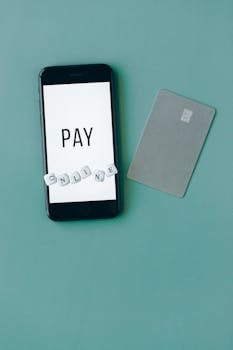
Todos nós fazemos milhares de pequenas escolhas financeiras todos os meses, mas poucos percebem como as grandes tendências das finanças do consumidor moldam essas decisões diárias.
Entre contas a pagar, ferramentas digitais e novas opções, as finanças estão em constante evolução. Acompanhar as novidades do setor financeiro ajuda a fazer escolhas mais inteligentes, reduzir o estresse e melhorar o controle do orçamento em casa e em qualquer lugar.
Este artigo utiliza cenários da vida real e novas regras para mostrar como as tendências de financiamento ao consumidor alteram o que compramos, pedimos emprestado e poupamos — até mesmo em compras no supermercado ou paradas para abastecer o carro. Vamos à prática.
Gastos diários são moldados por novas tecnologias de pagamento
Adotar novas ferramentas de pagamento resulta em finalizações de compra mais rápidas e novos hábitos. Aprender os detalhes ajuda você a identificar oportunidades de economia, proteger seus dados e manter o controle.
Aplicativos, sistemas de pagamento por aproximação e carteiras digitais transformam as transações diárias. Compreender essas ferramentas ajuda a otimizar as decisões de gastos e aprimorar seu planejamento financeiro geral.
Benefícios de usar aplicativos de pagamento móvel hoje em dia
Usar o Apple Pay, o Google Pay ou o PayPal economiza minutos em cada compra, seja online ou em lojas físicas, reduz erros no manuseio de dinheiro e registra instantaneamente cada despesa, facilitando o controle das finanças do consumidor.
Em vez de contar notas de dólar, você dá uma olhada, toca na tela e recebe um recibo digital. Pessoas que verificam o histórico de transações semanalmente percebem desvios de verbas, controlam compras por impulso e se mantêm mais fiéis ao orçamento.
Um amigo meu, sentado num café, sorri e diz: "Economizo £1.403 por mês só por rever os meus gastos com o Apple Pay todas as sextas-feiras à noite." Experimente verificar os seus todos os domingos de manhã, logo depois do pequeno-almoço.
Custos ocultos e medidas de segurança nos pagamentos digitais
Novas ferramentas como "compre agora, pague depois" podem mascarar os valores reais, levando os consumidores a gastarem mais do que o necessário. Estabeleça um limite de gastos semanal e sempre pague o valor total da sua compra antes de fazer novas aquisições.
Ative o PIN do celular e a segurança por impressão digital em todos os aplicativos de pagamento. Saia da sua conta após o uso e nunca se conecte a redes Wi-Fi públicas para realizar operações bancárias ou transações financeiras confidenciais — use apenas dados móveis ou de casa.
Após fazer compras online, configure um lembrete no calendário do seu smartphone: “Verificar cobranças no cartão toda sexta-feira às 18h”. Rotinas rápidas ajudam a detectar fraudes precocemente e evitam problemas futuros.
| Ferramenta de pagamento | Principal benefício | Risco Potencial | Etapa de ação |
|---|---|---|---|
| Apple Pay | Rapidez, conveniência | Compras esquecidas | Revisão semanal |
| Compre agora, pague depois | Atrasar pagamentos | Gastos excessivos | Estabeleça limites rígidos. |
| Zelle/Venmo | Compartilhamento fácil | Transferências acidentais | Verifique novamente o destinatário. |
| Cartões sem contato | Finalização de compra mais rápida | Perder os cartões representa um risco. | Bloqueie o cartão instantaneamente em caso de perda. |
| Pagamento de contas online | Automatiza contas | Pagamentos em atraso se o cartão estiver vencido. | Atualize os dados do cartão proativamente |
Orçamentos pessoais reagem ao aumento dos custos e ao monitoramento de preços.
O controle de despesas por meio de ferramentas digitais oferece uma visão clara de para onde o dinheiro está indo, à medida que as tendências de finanças do consumidor impulsionam novos preços. Painéis visuais ajudam a identificar desperdícios e otimizar gastos.
Definir zonas orçamentárias flexíveis em vez de limites rígidos em dólares significa que as famílias se recuperam mais rapidamente dos aumentos de preços e dos custos mensais inesperados relacionados às mudanças na realidade das finanças do consumidor.
Como criar orçamentos mensais eficazes em aplicativos
Comece listando as contas recorrentes, categorias principais como supermercado e gasolina, e um espaço para "dinheiro para lazer". Essa estrutura reflete como as decisões financeiras reais do consumidor acontecem — planejadas, mas adaptáveis.
Deixe uma margem de segurança para aumentos inesperados no orçamento — adicione uma linha de "margem de segurança" no seu aplicativo. Todo sábado, revise os gráficos de categorias para verificar se você se manteve dentro das zonas de gastos planejadas.
- Registre todas as compras diariamente: Garante precisão, cria um hábito e elimina o estresse do final do mês.
- Use tabelas coloridas para as categorias: Isso mantém os gastos visualmente claros, destacando as escolhas por impulso.
- Agende verificações semanais: Revisões de cinco minutos identificam problemas ou oportunidades de economia logo no início, facilitando a tomada de medidas.
- Cancele assinaturas mensais: cancele serviços digitais antigos ou não utilizados para recuperar fundos para o essencial.
- Teste os dias "sem compras": Pratique manter-se dentro das metas, não fazendo nenhuma compra supérflua em apenas um dia por semana. Observe o impacto imediatamente.
A adaptação rápida torna-se natural e permite um controle real sobre as finanças domésticas.
Como criar sua própria rotina de comparação de preços
Comparar preços em lojas é uma prática básica de finanças pessoais — tire fotos das etiquetas nas prateleiras com seu celular e confira em casa antes de comprar da próxima vez.
Use extensões de navegador que comparam automaticamente ofertas online; aceite apenas o preço mais baixo. À medida que você aprimora seus métodos, as economias se acumulam mais rápido do que você imagina.
- Crie uma planilha simples para controlar os itens essenciais de supermercado ou de limpeza, atualizando os preços mensalmente para referência.
- Adicione aos favoritos os sites de suas lojas de desconto preferidas para consultar os preços mais rapidamente antes de finalizar a compra, economizando tempo e dinheiro.
- Organize os recibos no final do mês; destaque aumentos inesperados ou ofertas para planejar melhor o mês seguinte.
- Experimente aplicativos de cupons digitais seletivamente — use aqueles com as maiores taxas de desconto e a menor complexidade.
- Antes de efetuar o pagamento, pergunte aos caixas sobre a possibilidade de equiparação de preços na loja. Se essa opção estiver disponível, você garante o aproveitamento das políticas de preços em tempo real para cada decisão de financiamento do consumidor.
Comparar preços ajuda a economizar dinheiro e transforma cada ida às compras em uma oportunidade de aprendizado para futuras escolhas de consumo.
Mudanças no comportamento de poupança em resposta a ferramentas bancárias flexíveis
Obter taxas de poupança mais altas não depende apenas da escolha das contas — as novas plataformas de financiamento ao consumidor tornam as regras e a automação tão importantes quanto as taxas de juros para alcançar resultados reais.
Mudar hábitos, como automatizar transferências ou usar recursos de arredondamento para economizar, leva a um crescimento notável — transformando troco em progresso real para despesas planejadas ou inesperadas.
Os recursos de resumo ajudam a criar consistência.
Aplicativos que arredondam as compras para o dólar mais próximo e transferem o troco para contas de poupança ajudam a disciplinar as finanças pessoais de forma prática e sem esforço. Eles facilitam a modernização das rotinas financeiras para quem tem uma vida corrida.
Esse método funciona como um cofrinho digital. Cada compra de café ou gasolina contribui silenciosamente para a sua poupança, e você percebe o progresso durante as verificações mensais do saldo.
Experimente configurar um alerta mensal de revisão de saldo. Comemore os totais mensais — use-os para pequenas recompensas ou como uma reserva de emergência, reforçando hábitos financeiros positivos.
Metas de curto prazo com recursos de acesso instantâneo
Vincular uma conta poupança com transferências instantâneas para a conta corrente permite que você lide com despesas inesperadas sem taxas de cheque especial caras. Isso possibilita decisões flexíveis que acompanham a evolução das prioridades financeiras do consumidor.
Por exemplo, quando um pneu fura, você pode transferir dinheiro em segundos — sem precisar acumular dívidas no cartão de crédito.
Após cada transferência emergencial, estabeleça rapidamente um cronograma para repor o valor utilizado em até oito semanas. Isso mantém as economias em dia e prontas para a próxima vez.
As opções de crédito definem o tom para grandes compras.
As opções de crédito, as taxas e os critérios de aprovação mudam com as alterações do mercado e as inovações no financiamento ao consumidor. Fazer escolhas com base em práticas atualizadas evita arrependimentos futuros.
Conseguir taxas de juros mais baixas, evitar taxas ocultas e criar bons hábitos em pequenas compras estabelece confiança com os credores para quando você estiver pronto para comprar carros, eletrodomésticos ou até mesmo casas.
Como escolher os recursos certos do cartão de crédito
Escolher um cartão de crédito hoje em dia envolve mais do que apenas a taxa de juros anual (APR). Preste atenção aos benefícios que estejam alinhados com as suas prioridades de finanças pessoais, como cashback em compras de supermercado, recompensas de viagem ou isenção de anuidade.
Confira os bônus de boas-vindas, mas sempre leia as letras miúdas para saber os valores mínimos de gastos e as taxas de penalidade, que podem aumentar consideravelmente após o término das promoções. Planeje o uso com um lembrete no calendário.
Opte por cartões com integração de orçamento. Eles permitem alertas, categorias de gastos em tempo real e um acompanhamento mais eficiente, combinando hábitos de consumo inteligentes com metas financeiras contínuas.
Comparar empréstimos envolve um processo, não apenas uma taxa.
Antes de solicitar qualquer empréstimo, reúna os documentos necessários, a taxa desejada e a faixa de pagamento aceitável. Uma prática inteligente de finanças pessoais é pesquisar pelo menos três instituições financeiras diferentes para cada empréstimo importante.
Anote as informações de cada oferta: observe não apenas a taxa de juros anual (APR), mas também o valor total a ser pago, o acesso ao suporte e a flexibilidade para suspender pagamentos em caso de dificuldades financeiras.
Esta lista de verificação realista evita decisões precipitadas. Antes de trocar de carro, anote em post-its colados na sua mesa os seguintes itens: "Preciso de tarifa fixa, suporte telefônico e sem multa por pagamento antecipado".
Tendências de consumo influenciam decisões sobre seguros e proteção.
As estratégias de gestão de riscos pessoais evoluem à medida que as práticas de financiamento ao consumidor se disseminam. É fundamental revisar apólices de seguro antigas e adicionar coberturas digitais modernas pelo menos uma vez por ano.
Combinar apólices, comparar preços com base no uso e utilizar processos digitais de sinistros aumentam o valor e a tranquilidade das estratégias de financiamento ao consumidor para famílias.
Seguro combinado para uma cobertura mais eficiente
Combinar o seguro auto com o seguro residencial resulta em descontos, processos de indenização mais rápidos e menos contas para administrar. Compare as opções anualmente; as empresas lançam novos pacotes promocionais para atrair clientes de financiamento ao consumidor.
Se a sua seguradora aumentar as taxas sem oferecer benefícios adicionais, solicite uma equiparação de preços. Mantenha uma pasta com os documentos para consulta rápida em emergências, para que nenhum detalhe se perca em momentos de aperto.
Um vizinho disse: "Economizei $400 depois de transferir meus seguros em fevereiro passado e agora tudo se renova no mês do meu aniversário." Considere fazer do seu aniversário o seu marco anual para verificar cotações.
Reclamações digitais melhoram a velocidade de recuperação.
O envio de solicitações digitais por meio de aplicativo ou portal online elimina a necessidade de papelada e agiliza os pagamentos em casos de perdas em financiamentos ao consumidor.
Fotografe imediatamente com seu celular os recibos, danos ou furtos — isso é aceito como prova. Salve as fotos em um álbum específico chamado “Reclamações de Seguro” para acesso rápido.
Após receber uma indenização, reavalie sua cobertura: ela ainda é adequada? Revisões digitais anuais, configuradas por alertas no calendário, mantêm você preparado para imprevistos.
Alertas e notificações no smartphone como ferramenta financeira diária
Ativar as notificações da conta transforma as finanças pessoais de uma tarefa mensal em uma rotina diária proativa. Lembretes oportunos identificam cobranças suspeitas, desvios de orçamento ou contas a pagar antes que os problemas surjam.
Os alertas funcionam melhor quando personalizados. Ajuste as configurações para destacar as categorias com maior probabilidade de causar problemas — compras de supermercado, gasolina ou compras supérfluas — antecipando pequenos vazamentos antes que se tornem grandes prejuízos.
Como criar a sua estratégia de alertas ideal
Acesse a seção de notificações de cada aplicativo financeiro e ative os alertas de compra em tempo real. Se seu cartão for usado enquanto você estiver dormindo, você saberá imediatamente e poderá agir rapidamente.
Escolha a frequência de alertas que melhor se adapte à sua capacidade de atenção: diária, semanal ou instantânea. Analise os alertas em um horário predefinido para que não se tornem ruído de fundo e percam o impacto nas suas finanças pessoais.
Crie textos personalizados para categorias de alta prioridade: “Se as compras do supermercado ultrapassarem $100, me avise” ou “Fundo para férias baixo”. Isso mantém seus objetivos em destaque, sem sobrecarregar seu dia.
Respondendo a alertas para mudanças reais
Ao identificar uma cobrança alta ou fora do padrão, pause o seu cartão pelo aplicativo. A maioria das operadoras permite o bloqueio instantâneo, protegendo rapidamente o seu ecossistema financeiro.
Abra o gráfico de categorias após receber um alerta de "gastos altos". Ajuste os limites semanais ou transfira o dinheiro extra para a poupança, usando os alertas para incentivar novos hábitos positivos.
Para contas mensais, use alertas como uma lista de verificação pré-pagamento: “Conta de telefone paga? Feito!” Marque as etapas concluídas com sucesso, reforçando rotinas sólidas e a confiança para lidar com futuras mudanças nas finanças do consumidor.
Fazendo com que as tendências de finanças pessoais trabalhem para você todos os dias.
As tendências recentes em finanças pessoais colocam o controle e a compreensão reais em suas mãos em cada gasto, poupança e proteção financeira. Reserve um tempo para adotar ferramentas e rotinas que se adaptem às suas necessidades diárias.
Pequenos ajustes têm efeitos em cadeia, incluindo mais economia, orçamento mais fácil e recuperação mais rápida de imprevistos. Ajuste as configurações de pagamento, use revisões semanais e crie sistemas de alerta que façam sentido para sua rotina.
As práticas de financiamento ao consumidor continuam a evoluir. Mantenha-se interessado, continue aprimorando-as e você descobrirá novas oportunidades para fazer cada dólar render mais e aliviar o estresse do dia a dia.

