
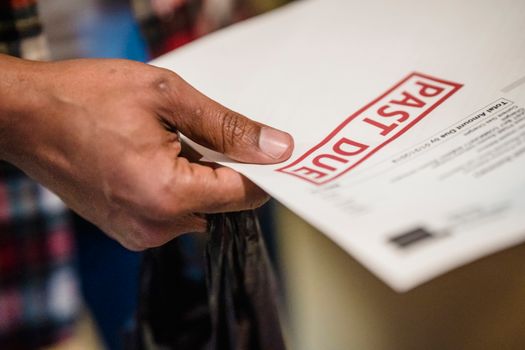
Você abre o extrato do seu cartão de crédito e percebe que perdeu um pagamento. Essa notificação de atraso pode te deixar ansioso, imaginando o que acontece a seguir e como isso pode te afetar.
Os credores se importam com o histórico de pagamentos porque ele representa um retrato da sua confiabilidade. Pagamentos atrasados influenciam a forma como bancos, proprietários e até mesmo alguns empregadores avaliam seu perfil.
Prepare-se para aprender estratégias práticas, ver exemplos reais e aumentar sua confiança financeira. Continue acompanhando para obter dicas que você pode usar para gerenciar pagamentos atrasados e seus efeitos, a partir de agora.
Identificando onde os atrasos nos pagamentos aparecem no seu perfil financeiro.
Identificar pagamentos atrasados em seu relatório de crédito ajuda você a controlar suas opções de empréstimo futuras. Reconhecer essas anotações com clareza leva a melhores decisões e hábitos mais acertados.
O histórico de pagamentos geralmente aparece como uma linha do tempo no seu relatório de crédito. Um único atraso no pagamento marca seu perfil por anos, fazendo com que as instituições financeiras hesitem em conceder novos créditos.
Como avaliar seu relatório de crédito passo a passo
Comece solicitando seu relatório anual gratuito de cada agência de crédito. Examine atentamente as linhas identificadas por credor, procurando por frases como "30 dias de atraso". Anote as datas para referência futura.
Preste atenção se você observar pagamentos atrasados agrupados. Um conjunto deles pode indicar um mês difícil ou um desafio contínuo. Isso sinaliza aos credores que você pode estar correndo o risco de não conseguir pagar suas dívidas.
Após identificar esses atrasos, registre-os em um calendário ou planilha. Em seguida, verifique o campo "data da ocorrência" para acompanhar a data em que os pagamentos atrasados foram registrados.
Traduzindo códigos e termos de relatórios de crédito
As agências de crédito usam códigos como “30”, “60” ou “90”, cada um descrevendo o atraso em dias. Um “90” significa que você estava com três ciclos completos de atraso.
Alguns relatórios usam "Inadimplente" em vez de "atrasado". Se você vir "baixa por inadimplência", a conta ficou sem pagamento por meses e o banco cancelou a dívida. Isso tem um impacto maior do que pagamentos atrasados comuns.
Caixas ou setas com códigos de cores indicam quais sequências de pagamentos foram perdidas. Certifique-se de entender cada código consultando a legenda impressa na parte inferior da página do relatório de crédito.
| Duração do pagamento em atraso | Impacto na pontuação de crédito | Percepção do credor | Ações a serem tomadas |
|---|---|---|---|
| 30 dias de atraso | Pequena queda (10–30 pontos) | Preocupação menor se isolada | Pague rapidamente, ligue para a emissora, atualize o pagamento automático. |
| 60 dias de atraso | Queda moderada (30–60 pontos) | Aumenta o risco | Atualize-se, explique com uma breve carta, verifique se há erros. |
| Mais de 90 dias de atraso | Queda acentuada (mais de 100 pontos) | Alto risco, possível congelamento de crédito | Priorize o pagamento, entre em contato com um consultor de dívidas. |
| Baixa por inadimplência | Impacto mais duradouro | Em grande parte negativo, precisa ser abordado. | Negocie, considere um acordo, busque aconselhamento. |
| Pago integralmente após atraso | A pontuação se recupera lentamente. | Demonstra responsabilidade após o erro. | Acompanhe a pontuação mensalmente e continue fazendo pagamentos em dia. |
Mudando seus hábitos para evitar atrasos recorrentes nos pagamentos
Uma nova rotina prepara suas contas para evitar atrasos nos pagamentos no futuro. Desenvolva novos hábitos e estratégias para evitar registros negativos em seu crédito.
Até mesmo um único erro pode se agravar. Ajuste seus sistemas agora, e os atrasos nos pagamentos se tornarão apenas um pequeno contratempo, em vez de um padrão que prejudica sua reputação financeira.
Redirecionamento de contas com pagamentos automáticos e alertas
Configurar o pagamento automático significa nunca mais ter que se lembrar da data de vencimento dessa conta. Vincule as contas a uma conta corrente ou cartão de crédito para criar uma rede de segurança sem esforço.
Habilitar notificações por SMS ou push com uma semana de antecedência adiciona lembretes personalizados. Essa medida ajuda a detectar erros bancários ou recusas de cartão antes que um atraso no pagamento afete seu relatório de crédito.
- Configure o pagamento automático diretamente com cada credor para garantir que os pagamentos sejam processados em dia, reduzindo o risco de anotações de atraso em seu histórico de crédito.
- Use aplicativos de orçamento que avisam quando uma conta está para vencer, para que você possa se antecipar às suas obrigações e evitar surpresas.
- Organize as contas agrupando-as por data de vencimento. Solicite novos ciclos de faturamento para que todos os pagamentos coincidam com o dia do pagamento, tornando a gestão menos estressante.
- Crie um lembrete mensal recorrente (no calendário) para revisar as contas pagas e pendentes, garantindo que nada passe despercebido.
- Comunique-se com antecedência aos credores caso preveja algum atraso — as instituições financeiras podem ajustar as datas de vencimento uma ou duas vezes por ano se você entrar em contato com antecedência.
Seguir essas estratégias ajuda a minimizar os danos causados por atrasos nos pagamentos e aumenta sua credibilidade a longo prazo.
Recompensando a consistência com ferramentas de monitoramento de crédito
O cadastro gratuito para acompanhamento do score de crédito permite visualizar todos os atrasos de pagamento em tempo real. Essa visibilidade incentiva uma gestão proativa e reduz surpresas desagradáveis no futuro.
Algumas ferramentas oferecem atualizações para cada agência de crédito separadamente, permitindo que você acompanhe quais credores reportam quais informações e quando. Observar cada alteração gera maior responsabilidade ao longo do tempo.
- Verifique mensalmente sua pontuação de crédito para identificar quedas repentinas relacionadas a atrasos nos pagamentos e investigue qualquer queda superior a 25 pontos.
- Solicite notificações sempre que houver qualquer nova atividade na conta. Quanto mais rápido você responder aos erros, melhor.
- Identifique tendências recorrentes de atrasos nos pagamentos definindo "metas" em aplicativos de crédito — se um pagamento for marcado como atrasado, receba um alerta por escrito e tome as medidas necessárias.
- Registre as alterações na pontuação de crédito e as datas de pagamento em uma planilha para ter um lembrete visual claro do seu progresso ou retrocesso.
- Ligue para as linhas diretas dos serviços de monitoramento de crédito se notar atrasos inexplicáveis nos pagamentos e apresente uma contestação por escrito o mais rápido possível.
Esses hábitos facilitam a prevenção e a correção de pagamentos atrasados e fornecem provas caso você opte por contestar um erro junto ao credor.
Entendendo os efeitos em cadeia que os pagamentos atrasados têm nas decisões da vida.
Responsabilidade hoje significa processos de inscrição mais ágeis amanhã. Cada pagamento atrasado pode influenciar aluguéis futuros, taxas de seguro, aprovações de empréstimos e até mesmo oportunidades de emprego.
Saber quem tem acesso ao seu histórico de crédito lhe dá o poder de moldar sua narrativa e oferecer explicações quando necessário. Use essas informações antes de tomar decisões importantes.
Consequências reais de atrasos em pagamentos de aluguéis e empréstimos
Um agente de locação pode dizer: "Seu relatório mostra um atraso de 60 dias no último verão. Pode explicar o que aconteceu?" Não se esquive da pergunta — explique de forma concisa e mostre um histórico recente estável.
Os credores aprovam mais solicitações de quem demonstra melhoria constante, mesmo após atrasos nos pagamentos. Os analistas de crédito buscam um histórico de três anos consecutivos de pagamentos em dia após um pequeno deslize.
Ao solicitar um financiamento imobiliário, atrasos em pagamentos de mais de 24 meses atrás têm muito menos peso do que os pagamentos recentes. Mantenha todas as suas contas em dia agora, especialmente nos dois anos que antecedem a solicitação.
Prêmios de seguro e verificação de antecedentes profissionais
As seguradoras às vezes verificam seus hábitos financeiros, incluindo atrasos em pagamentos, para avaliar o risco. Um histórico impecável pode reduzir o valor do seguro auto ou residencial, pois indica que você tem menos probabilidade de atrasar o pagamento do prêmio.
Empregadores nas áreas de finanças ou segurança ocasionalmente consultam perfis de crédito. Atrasos nos pagamentos podem não ser motivo de desqualificação, mas explicar como você corrigiu erros anteriores pode ajudar a demonstrar confiabilidade.
Declare: "Configurei o pagamento automático depois de perder um pagamento e não houve mais problemas desde então." A transparência transmite aos empregadores a confiança de que você gerencia os desafios de forma proativa para obter melhores resultados.
Assuma o controle quando os atrasos nos pagamentos afetarem seu perfil.
Atrasos nos pagamentos podem parecer intimidantes no início, mas medidas práticas minimizam o impacto negativo. Identifique onde eles ocorrem, estabeleça rotinas eficazes e explique erros passados com clareza, caso seja questionado.
Corrigir pagamentos atrasados não se trata apenas de proteger sua pontuação de crédito — trata-se de aumentar suas chances em contratos de aluguel, empréstimos e novas oportunidades. Hábitos proativos colocam você no controle do seu futuro financeiro.
Cada dia que você paga em dia redefine as expectativas para o futuro. Transforme os atrasos em degraus para o sucesso e mantenha o progresso visível para ter mais tranquilidade financeira.

