
O que os credores procuram durante a verificação de renda: um guia detalhado
Algumas pessoas ficam nervosas ao solicitar um empréstimo porque não sabem ao certo quais informações os credores verificam. A comprovação de renda pode parecer formal, mas na verdade é apenas uma verificação de confiabilidade.
Os credores usam a verificação de renda para se protegerem, sim, mas também para garantir que você conseguirá arcar com os pagamentos sem problemas. Entender o processo pode eliminar as dúvidas — e o estresse — da sua parte.
Se você busca respostas claras e passos práticos, explore cada seção abaixo. Vamos desmistificar a verificação de renda e mostrar exatamente como se preparar para a auditoria.
Atender aos padrões de comprovação de renda significa um progresso previsível do empréstimo.
Atender aos requisitos de comprovação de renda do credor agilizará o processo de solicitação e aumentará suas chances de aprovação. Veja o que você pode fazer para evitar atrasos.
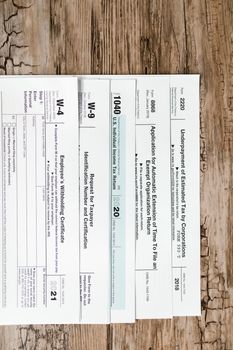
Organizar a documentação antes de se candidatar é um passo fundamental. A comprovação de renda geralmente envolve a análise de contracheques recentes, extratos bancários ou até mesmo declarações de imposto de renda.
A organização da documentação traz resultados imediatos.
Mantenha a documentação em uma única pasta — física ou digital — para que esteja pronta quando solicitada. Inclua comprovantes de pagamento, formulários W-2 e confirmações de depósito direto agrupados.
Ao ser solicitado a fornecer documentação adicional, responda imediatamente para manter o ritmo. O credor apreciará sua preparação — e você provavelmente enfrentará menos atrasos.
Se você trabalha como freelancer, guarde cópias dos contratos assinados como comprovante concreto, além dos comprovantes de depósito bancário. Os credores querem ver padrões de renda estáveis e recorrentes.
Sequenciando sua inscrição para resultados rápidos
Verifique os formulários cuidadosamente antes de enviá-los. Certifique-se de que os números correspondam aos registros do seu banco e aos seus comprovantes de pagamento. Pequenos problemas podem gerar análises adicionais durante a verificação de renda.
Se possível, envie todos os documentos solicitados em um único lote. As instituições financeiras costumam analisar os arquivos em conjunto, e o envio completo e organizado agiliza o processo de aprovação.
Evite se explicar em longas anotações. Em vez disso, deixe que os documentos oficiais contem sua história. O credor entrará em contato caso precise de mais alguma informação após a primeira análise de renda.
| Tipo de documento | Aceito para | Frequência necessária | Uso da verificação de renda |
|---|---|---|---|
| Comprovantes de pagamento | Salário fixo, por hora, temporário | Últimas 2 a 6 semanas | Comprovante principal para a maioria dos trabalhos |
| Formulários W-2 | Emprego em tempo integral | Ano fiscal mais recente | Confirma a consistência anual |
| Extratos bancários | Todos os ganhadores | Últimos 2 a 3 meses | Mostra padrões de depósito líquido |
| Declarações de Imposto de Renda | Trabalhadores freelancers, trabalhadores temporários | Últimos 1 a 2 anos | Valida a renda variável |
| Carta de Oferta Assinada | Mudança recente de emprego | Somente no momento | Permite aprovação antecipada |
Reconhecer os tipos de renda aceitos amplia suas opções de empréstimo.
Os credores aceitam mais fontes de renda do que você imagina. Isso significa que você tem mais espaço para apresentar suas finanças da maneira mais favorável possível ao solicitar a comprovação de renda.
Além do salário base, comissões, bônus sazonais e benefícios governamentais, cada um possui padrões de documentação específicos que influenciam sua elegibilidade.
Verificação de rendimentos além dos salários tradicionais
Trabalhadores autônomos que realizam trabalhos extras devem apresentar comprovantes de transferência consistentes ao longo de pelo menos três meses para verificação de renda. Os credores verificam a regularidade, não picos isolados.
A verificação de renda de aluguel é bem-sucedida quando acompanhada de um contrato de locação e extratos bancários dos últimos três meses que demonstrem os depósitos. A vinculação direta agiliza a aprovação para a comprovação de renda.
- Reúna os relatórios de comissões com as assinaturas dos supervisores. O credor precisa de comprovação de renda extra constante; você deve incluir detalhamentos mensais/trimestrais para comprovar claramente sua renda.
- Envie cartas de concessão do Seguro Social ou de pensão juntamente com extratos bancários. O credor precisa de confiabilidade a longo prazo; você deve destacar a frequência dos depósitos em uma folha de rosto para comprovação de renda.
- Combine a documentação da pensão alimentícia com as declarações de imposto de renda do ano anterior. O credor precisa de comprovação judicial; você deve fornecer a documentação legal e comprovantes de depósitos recorrentes para verificação rápida da renda.
- Adicione resumos de trabalhos extras de plataformas verificadas (como ganhos de motorista). O credor quer não apenas os totais, mas também as tendências; você deve incluir extratos mensais para comprovar sua renda de forma completa.
- Combine as cartas de invalidez do VA com os depósitos correspondentes. Instituição financeira: avalia a estabilidade da fonte de benefícios; Você: utiliza declarações com anotações para comprovação de renda sem ambiguidade.
Reunir todas as suas fontes de renda fortalece sua solicitação de empréstimo e demonstra ao credor que você compreende plenamente o processo de verificação de renda.
Documentando com clareza os benefícios de pagamento único e irregular.
Os trabalhadores sazonais apresentam cartas assinadas pelo empregador, juntamente com comprovantes de pagamento anteriores. Isso cria um panorama anual para a verificação da renda, mesmo que os salários varipulem ao longo das estações do ano.
Os funcionários que recebem bônus devem anexar os demonstrativos de rendimentos do RH aos seus formulários W-2 ou contracheques. Isso demonstra que sua renda anual total inclui mais do que apenas o salário-base, para fins de comprovação de renda.
- Crie um registro de documentos separado para cada fonte de renda — os nomes e as datas dos pagamentos devem estar sempre alinhados. Isso agiliza a revisão do seu arquivo durante a verificação de renda.
- Sinalize pagamentos únicos separadamente da renda recorrente. Use um lembrete ou etiqueta digital para que o analista do credor não os interprete erroneamente como rendimentos recorrentes.
- Para rendimentos compartilhados no âmbito familiar, identifique claramente as transferências. Adicione uma nota se os depósitos conjuntos cobrirem parte dos pagamentos do empréstimo durante a avaliação de comprovação de renda.
- Inclua cartas de concessão de bolsas de estudo, auxílios ou subsídios. Anexe os horários das aulas para os candidatos estudantes. Isso complementa o pacote de comprovação de renda, especialmente para mutuários mais jovens.
- Para pensão alimentícia, anexe os comprovantes de pagamento do registro estadual junto com a documentação legal. A consistência ajuda nesse processo, e etiquetas claras minimizam a dificuldade com a comprovação de renda.
Quanto mais organizada for sua solicitação, mais rápido você superará a etapa de verificação de renda do credor e terá acesso a uma gama maior de opções de empréstimo.
Apresentar um panorama financeiro completo melhora as chances de aprovação da candidatura.
Contar sua história financeira de forma clara — por meio de documentos bem organizados e números precisos — aumenta suas chances de sucesso na análise de comprovação de renda e constrói a confiança do credor.
Utilizando formatação consistente para reduzir perguntas
Todos os formulários enviados devem apresentar nomes, endereços e números de segurança social correspondentes. A consistência destaca sua situação financeira real durante a verificação.
Liste as datas da mesma forma em todos os comprovantes de pagamento, extratos bancários e declarações de imposto de renda. Por exemplo, use o formato MM/DD/AAAA em todos os documentos.
Destaque as alterações salariais com uma carta assinada e em papel timbrado da empresa, caso sua renda tenha aumentado recentemente. Isso evita questionamentos na etapa de verificação de renda.
Preenchendo proativamente as lacunas no histórico profissional
Períodos sem receber salário? Anexe uma nota curta e clara explicando a sua falta de emprego, o motivo e os meses correspondentes. Atenha-se aos fatos para garantir a transparência na comprovação da sua renda.
Inclua o número de contato do empregador sempre que possível. Os credores às vezes ligam para confirmar lacunas no cronograma, e você agiliza o processo ao facilitar o contato.
Dê destaque à nova renda estável com documentação comprobatória, como cartas de admissão, primeiros contracheques e projeções de ganhos. Esse contexto facilita a verificação da renda.
Conclusão: Vincule a comprovação de renda à obtenção de empréstimos com confiança.
A comprovação de renda gera confiança para ambas as partes — credor e devedor. Cada documento organizado e um fluxo de caixa claro reduzem o tempo de aprovação.
Abordar o processo com uma lista de verificação e registros transparentes transforma uma etapa estressante em uma tarefa rotineira. Os credores respondem bem aos candidatos que pensam um passo à frente durante a verificação de renda.
Com essas estratégias, você estará preparado para enfrentar o processo de comprovação de renda, apresentar suas finanças de forma clara e buscar opções de empréstimo com segurança e confiança.

